YOU CAN SEE EVERYTHING (2026) ★
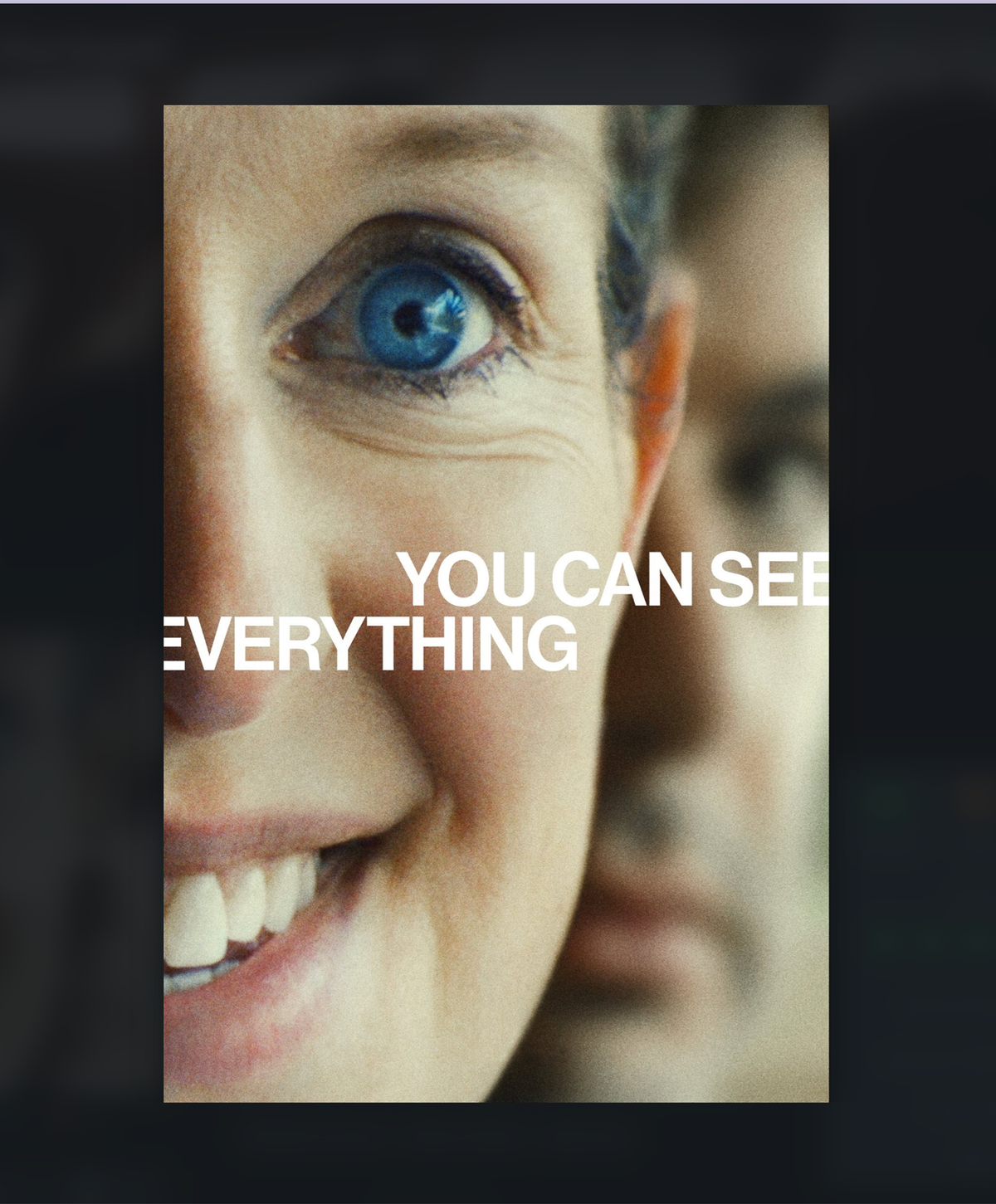
On the one hand, this is a film very much of the 2020s, in that it has things to say about a whole host of contemporary symptoms: neurodivergence, Silicon Valley grifts, narcissism, celebrity, social media, AI, facial motion capture—heck, even Charlie Kirk crops up for a well-timed mention. On the other hand, this is also a film that jumps head-first into a 100-year-old conversation, grappling explicitly with foundational (yet ongoing) ethical questions about documentary, re-enactment, dramatization, and the truth-value (or lack thereof) of the kinds of knowledge produced by film and television. And, on the third hand, this is the kind of movie that will make the (timeless?) move of putting an old farting horse on screen when it needs to get a laugh. Five stars.
 jbushnell