MARTIN (1977)
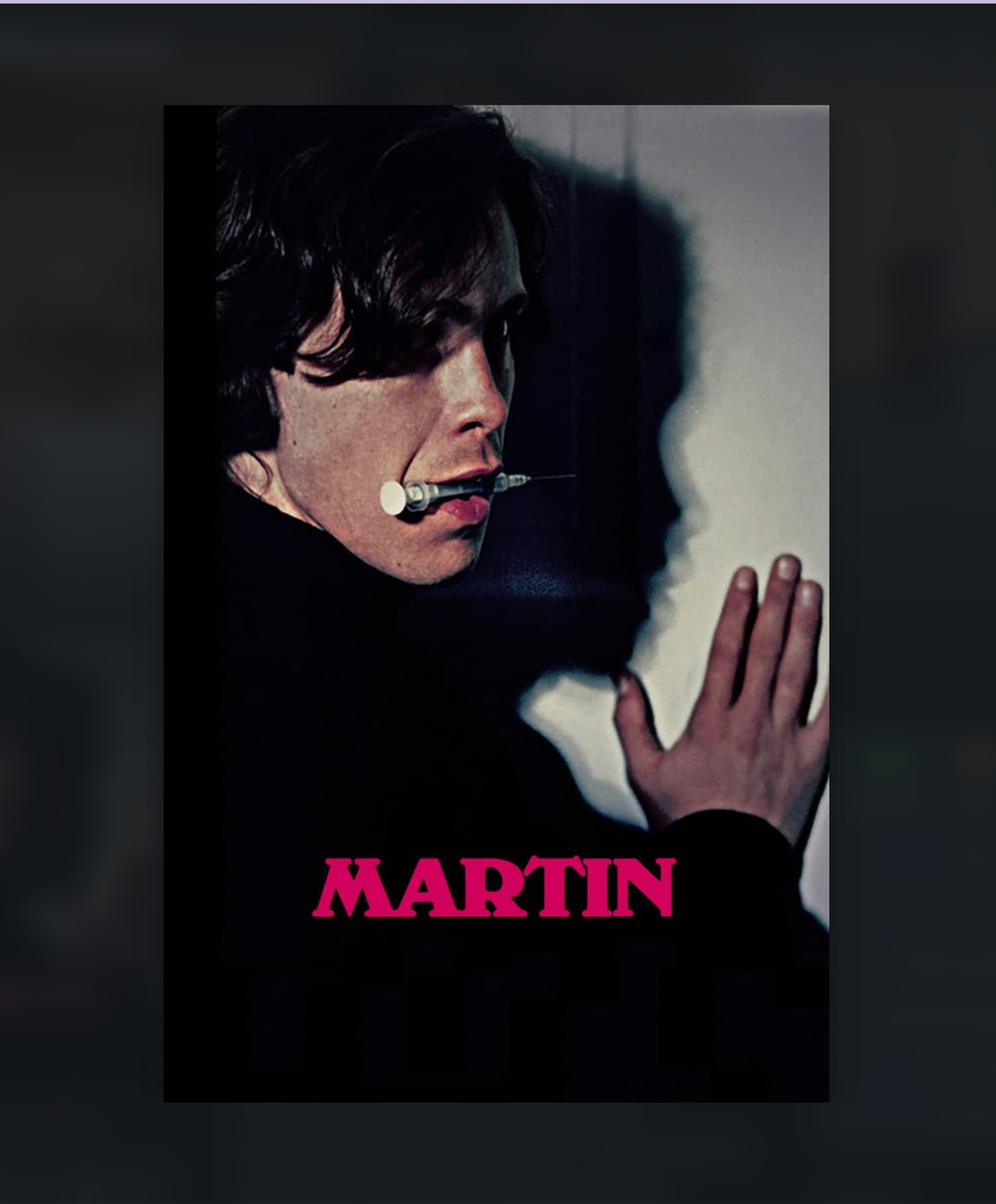
You could think of this as a meta-update of vampire cinema, modernizing the setting and throwing out almost all of the accumulated lore (the stables are cleaned out so thoroughly that a case could be made that Martin is not a vampire at all). And you could think of this as a prototype for the slasher films about to dominate horror for a generation (it stages a disturbing home invasion sequence one year before Halloween uses similar material more indelibly to really define the genre).
But I think it has its greatest kinship with neither of those traditions but more with a horror outlier like Henry: Portrait of a Serial Killer (1986). Like Henry, it has a slack narrative, defined by segments of plotless drift punctuated by incidents of violence. This is fitting, because although each of these films is interested (at least partly) in the psychology of murderers, each of them is much more interested in the psychology of being aimless in a dead-end America.
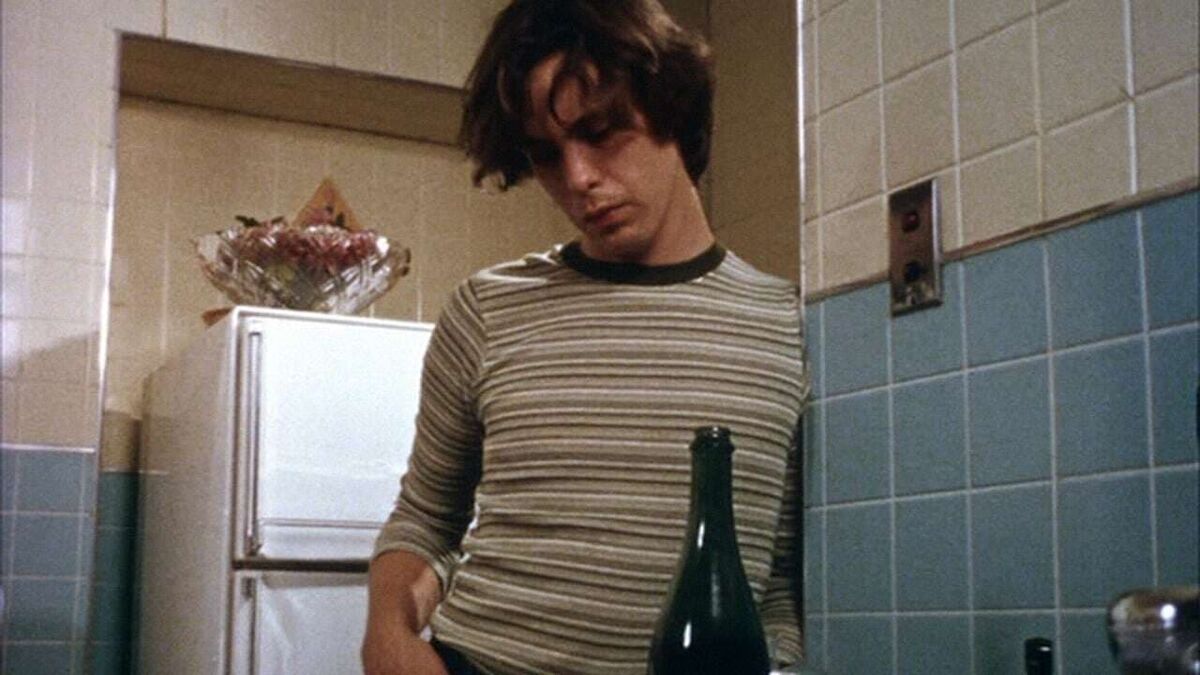
And this is where Martin excels: it is practically a tone poem about being (permanently?) twentysomething in a disintegrating Pennsylvania suburb at the dawn of a century of decline. What it feels like to be broke, estranged from your family, scared of sex, in a situation where the only person you can talk to is a guy who runs a late night radio call-in show. Like Henry's Michael Rooker, John Amplas is gifted with a beautiful, enigmatic, feline face—Abbie, a housewife who encounters him while deep in her own spiral of malaise, tells him that he reminds her of a quiet old housecat she used to have, and you can see what she means—but he carries his body woodenly, without grace, giving off the sense that something in him has been profoundly broken. Martin achieves its curious, enduring melancholy not through its occasional moments of lurid physical violence, but rather through maintaining an interest in this brokenness, and the way it makes a home not only in Martin but also, crucially, in various other members of the cast (especially Elayne Nadeau's Abbie Santini and Christine Forrest's Christina.)
One last point. Most of Romero's major films take place in hardscrabble Pennsylvania, but this is the Romero film, more than any other I've seen, which really helped me to grasp that Romero understands poverty. The fact that the film is made for nothing, on location in the middle of nowhere, and cast with mostly non-professional actors, contributes to this feeling—it feels profoundly decoupled from Hollywood's economic engine in every way—but don't fail to give Romero credit here. His camera is occasionally clumsy but it is also always unerringly drawn to the details of economic precarity (detritus, wreckage, dirty streets, cramped interiors, rusting or overgrown landscapes) and it indulges an unfailing ethnographic interest in the figures that populate this milieu (kids hassling people in a parking lot, bikers revving their bikes on the street, cranky ladies at the grocery store, a marching band setting out bravely toward a future that doesn't exist). Even by the standards of dirty 1970s cinema this one feels monumental in this regard, a closer analogue to Bela Tarr than to, say, Martin Scorsese.
 jbushnell