notebook from october
Notes on the war on terror, 21st-century resistance movements, the "more-than-human" field, impunity culture, Taryn Simon (and other photographers), and art's social being
1. The totality of art's social being
2. The limits of the ethical relation to the singular
3. 1973: The brain-computer interface
4. Tesla's price-to-earnings ratio
5. 2020: The "woke mind virus"
9. The Renaissance attitude toward laughter
10. Umberto Grassi's "What God Kept For Himself"
12. Concealed bodies and bodily phenomena
13. The obsolete language of the experience of pain
14. What the sick of the past wanted from their doctors
15. "External flows" and "inner processes"
16. The eighteenth-century understanding of sex differences
17. Corporeality, culture, and sexual differentiation
18. "Unstructured osmotic space"
19. Motus and tonus
20. Ben Eastham's "The Floating World"
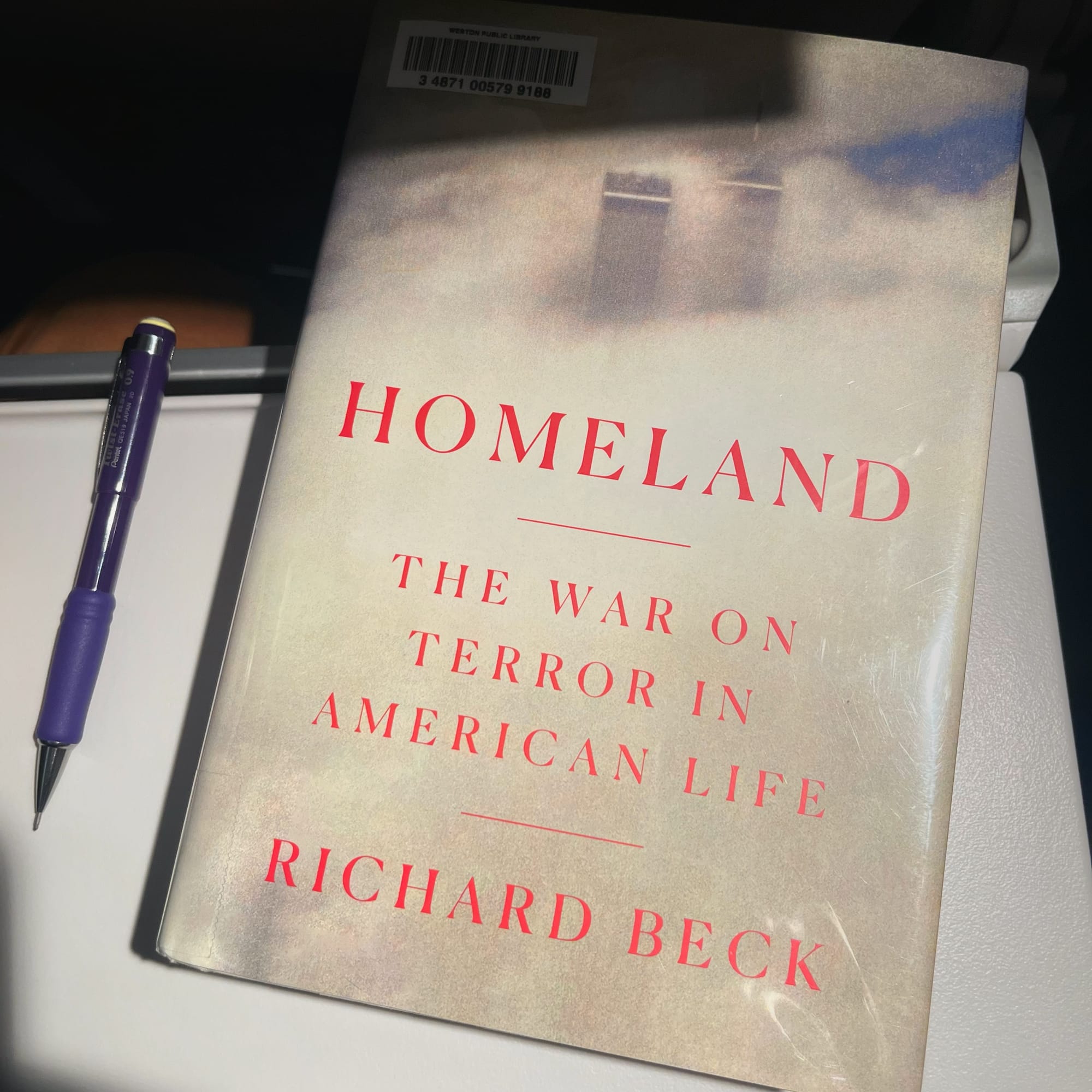
21. Deaths from the war on terror
23. The American captivity narrative
24. Photographers named in Brian Dillon's "Affinities"
25. Walter Pater on aesthetic criticism
26. "The aesthete's attitude to essayism"
27. Taryn Simon's "Father Country I Do Love You"
28. Taryn Simon's "American Index of the Hidden and Unfamiliar"
29. Taryn Simon's "Contraband"
30. Taryn Simon's "The Innocents" and "A Living Man Declared Dead"
31. Cyrus Console's "Romanian Notebook"
32. The size of the gambling industry globally
33. Ian Hacking's "probabilistic revolution"
34. Emily Ogden's "On Not Knowing"
35. EMUUROM
36. The "Egocrat"
37. Reagan's (meta-)popularity
38. Post-post-material politics
39. "Inner flux" and "outer flux"
40. Noncorporeal causes of illness (in the past)
41. Sufferings "stuck" in the body (in the past)
42. The experience of personal body pain, then and now
43. The modern objectified body vs. the body of the Middle Ages
44. Our sense of womanhood is conditioned by history
46. The sociogenesis of modern corporeality
48. Leibniz, Descartes, and pain
49. 2005-06: The Detainee Treatment Act vs. the Military Commissions Act
50. Torture and hazing at West Point
51. 1993: Samuel Huntington's "The Clash of Civilizations"
52. 2008: "Overseas Contingency Operations"
53. On the "blood-for-oil" thesis
54. 1934: "Growth"
55. Capitalism's dependence on growth
56. 1450-1650: Early capitalist city-states
57. The "autumn" of the Italian capitalist city-states
58. 1600: The "second cycle of material expansion"
59. Electricity consumption of data centers
60. Do TSA security measures work?
62. Nineteenth-century British capitalism
63. 1870-1970: The major phase of capitalist growth
66. 1970s: Global collapse in stable employment
67. Statistics on informal work
68. On resentment
69. Prolonged low-intensity urban conflict
70. 2002-2003: Homeland Security and the rise of the Border Patrol
71. Border Patrol vs. "surplus" globalized workers
72. The size of Border Patrol / ICE
74. Beck on the purpose of border surveillance
75. Syrian migration into Europe
77. Parallels between Occupy and BLM
78. Alexis de Tocqueville on Americans' "only pleasure"
79. 2001: Authorization for Use of Military Force
81. 33 Thomas St / AT+T Long Lines Building
82. Companies cooperating with NSA surveillance
83. Priest and Arkin's "Top Secret America"
84. Was NSA surveillance successful?
85. Anwar al-Awlaki
86. The failure of American global leadership post-9/11
88. Militarism, racism, and the decline of hegemony
89. The perception that things have "gone wrong" in America
90. Mass shootings
91. 21st-century American economics
92. Standing Rock
93. Stop Cop City
95. Magic and the "malleable texture of perception"
96. Tribal shamans and ecology
97. Illness, imbalance, and the "animate landscape"
98. Magical contact with the more-than-human field
99. "Every form is an experiencing form"
100. Spirits, and nonhuman modes of intelligence
101. Martha Rosler's "in, around, and afterthoughts"